
 English
 Español
 Pусский
 عربي
عربي Two unexplained stops before lunch – is your paper cup machine really as fast as its spec sheet says?
Publish Time:
Author:
Mingguo
Visit: 253

You start the shift. Paper roll loaded. Sealing heads up to temperature. The counter clicks past 10,000 cups by mid‑morning. Then the machine stalls. A sensor error message you have never seen. Twenty minutes later, production resumes. Before lunch, it happens again. By the end of the day, you have lost over an hour of runtime, and the speed readout never dropped below 200 cups per minute while the machine was running. The shift report shows “output: 38,000 cups” – far below the theoretical 96,000 cups that 200 cups per minute for eight hours would suggest.
That gap between running speed and effective throughput is where cheap control systems and poorly designed sensors eat into your margin. A paper cup machine with three independently driven turrets and open cam architecture can isolate sensor faults without stopping the entire line. This article examines how changeover time between cup sizes, the ability to handle both single‑wall and double‑wall production, and mechanical architecture determine whether a machine runs 200 cups per minute or merely claims it.
Mechanical architecture determines how long a paper cup machine can sustain peak speed without drifting out of tolerance. The MG‑G800 and MG‑1000 series feature three turntables, an open cam design, intermittent indexing, and a longitudinal axis structure. Unlike older chain‑driven designs where wear on a single link throws off timing across all stations, this platform distributes motion control across independent axes.
In a single‑carriage machine, if one station jams or requires adjustment, the entire line stops. With three independently driven turrets, each station can be serviced or adjusted without necessarily halting the others. The open cam design allows operators to access components without disassembling covers, reducing maintenance time. Intermittent indexing, where the turret indexes to the next position only when the previous operation is complete, reduces wear on cam followers compared to continuous‑motion designs.
For a two‑shift operation producing 400,000 cups per day, an hour of unplanned downtime costs thousands in lost production and can delay customer orders by a full day. The architectural choices that seem abstract on a spec sheet become concrete when a jam in station three doesn't stop stations one and two from completing their cycles.
A single‑wall paper cup machine running 4oz espresso cups at 200 pieces per minute looks excellent in a factory acceptance test. On the production floor, that same machine may run 8oz, 12oz, and 16oz cups across a single shift. Each size requires a different mold set, different sealing parameters, and potentially different paperboard stock.
If changeover takes 30 minutes and you run three sizes per shift, you lose 90 minutes of production time. Over a five‑day week, that is 7.5 hours of lost output – nearly an entire shift. The Mingguo MG‑1000 platform addresses this with mold exchangeability across the full range of common cup sizes, from 4‑16oz (100‑450ml) with tool‑less or minimal‑tool mold swaps.
| Production Type | Machine Configuration | Typical Speed Range | Key Consideration |
|---|---|---|---|
| Single‑wall cups | One forming station, single paper web | 150‑260 cups/min | Lower per‑unit material cost; higher speed |
| Double‑wall cups | Inner cup former + outer sleeve applicator | 60‑100 cups/min | Requires separate dedicated line |
For converters that need both single‑wall and double‑wall capabilities, separate lines are typically required. The MG‑1000 is optimized for high‑volume single‑wall production where speed and material efficiency drive profitability. The global paper cup market continues to grow as takeaway culture expands, making speed and changeover flexibility increasingly critical for maintaining margins.
The MG‑1000 series uses an interchangeable mold system that supports tool‑less or simplified changeover procedures. Operators can switch between cup sizes without specialty wrenches or full mechanical disassembly. The platform‑integrated layout, with three independently driven turrets, allows each station to be accessed separately during changeover rather than waiting for a single carriage to cool or reset.
A 10‑minute changeover versus a 40‑minute changeover across three size changes per shift adds 90 minutes of productive time—roughly a 15‑20% increase in effective capacity without any increase in machine speed. Over a year of two‑shift operation, that difference can exceed 300 hours of additional production time – enough to run an entire extra month of output.
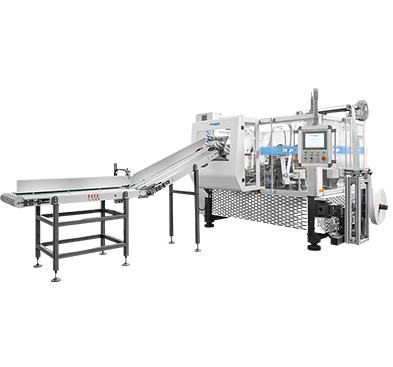
Cup dimensions and paper stock compatibility define the range of products a single machine can produce without retooling. The Mingguo platform supports top diameters from 55‑90mm, heights from 60‑135mm, and bottom diameters from 55‑75mm. That range covers the most common hot and cold beverage cup sizes used by coffee shops, fast‑food chains, and catering operations worldwide.
Paper weight is equally critical. Single‑wall cup production typically uses PE‑coated paperboard in the 150‑350 GSM range. Lighter stock (150‑200 GSM) reduces material cost but requires precise sealing temperature control to avoid burn‑through. Heavier stock (300‑350 GSM) produces a stiffer, more premium cup but requires higher sealing pressures and more torque from the forming turrets. The machine's open cam design and direct‑drive indexing provide consistent force across the full material range, without the drift that occurs in chain‑driven systems under varying loads.
Before committing to a new paper cup machine, run these three checks on a sample machine with your actual paper stock.
Time the switch from your smallest cup size to your largest. Include cooling the sealing heads, swapping molds, recalibrating sensors, and running test cups until consistent seals are achieved. On a well‑designed high‑speed horizontal machine, total changeover under 20 minutes is good; under 12 minutes indicates excellent tool‑less design.
Run 500 cups on the lower end of your paper weight range (170 GSM) and 500 on the upper end (350 GSM). Inspect side seams and bottom seals for leaks or weak bonds. The same machine should produce consistent seals across the full range without operator recalibration of sealing pressure. If the lighter stock burns or the heavier stock fails to seal, the machine lacks sufficient thermal control range.
Many machines run well at top speed but fail to stack cups cleanly, resulting in jams that require operator intervention. Run the machine at rated speed for 30 minutes and count stacker interruptions. At 200 cups per minute, any jam every 10 minutes adds 3 seconds of downtime per minute of operation—a 5% capacity loss. A well‑designed stacker should run for hours without a single jam.
Mingguo Machinery has manufactured paper cup forming equipment since 2014, progressing from low‑speed machines to the current high‑speed horizontal platform. The MG‑1000 series produces single‑wall cups across 4‑16oz sizes with top diameters from 55‑90mm and heights from 60‑135mm, at speeds up to 200 cups per minute.
The machine features three independently driven turrets, an open cam design for simplified maintenance, and intermittent indexing to extend component life. Horizontal forming architecture allows shorter paper paths and lower profiles than vertical designs, simplifying integration with upstream printing presses (for custom‑printed cups) and downstream packaging lines (for automatic bagging or cartoning).
For converters starting new production lines or upgrading from legacy equipment, the company offers first‑time buyer guidance covering budgets, materials, ROI calculation, free design consultation, manufacturing timelines, shipping logistics, and on‑site installation support.
A paper cup machine that matches your actual cup size mix and supports quick changeovers will pay for itself faster than a machine chosen solely on peak speed. For converters who run the same size for weeks, maximum speed is the priority. For those who switch sizes daily or even hourly, changeover time matters more than peak speed. Neither strategy is wrong, but they lead to different machine specifications.
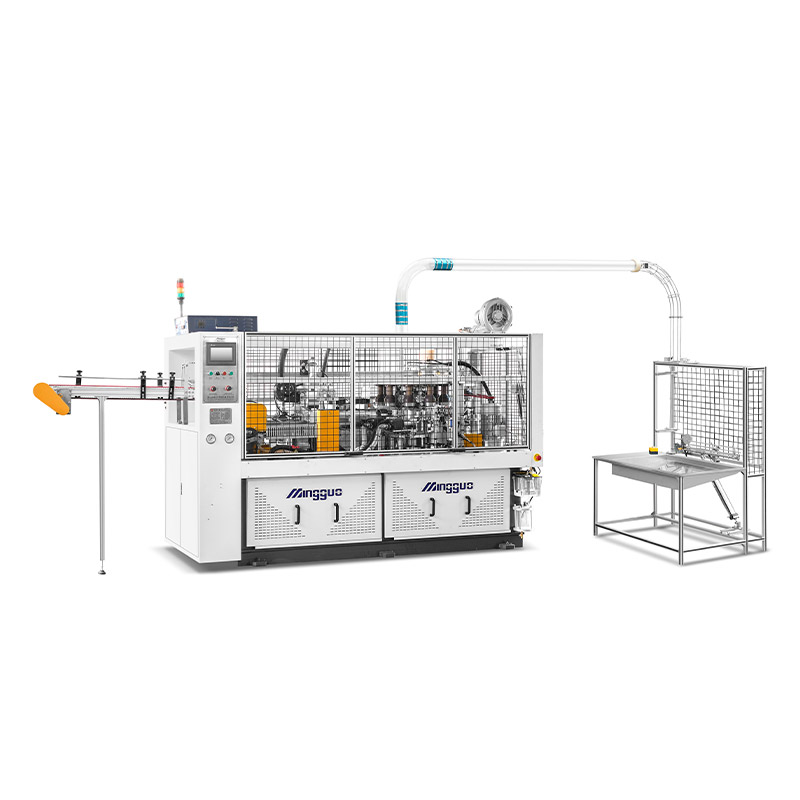
Paper cups specifications:
200 pcs/min
4-16oz(100-450mI) (mold exchangeable)
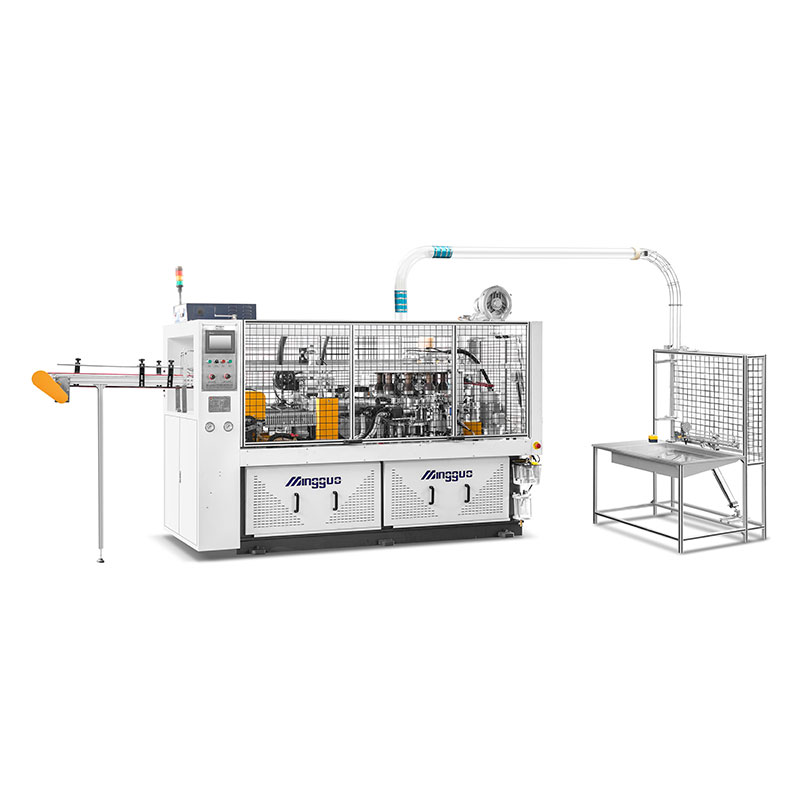
Paper cups specifications:
4-16oz (can be customized by max.26oz)
(100-450ml)(mold exchangeable)
Top:55-105mm
Height:60-135mm
Bottom:55-75mm
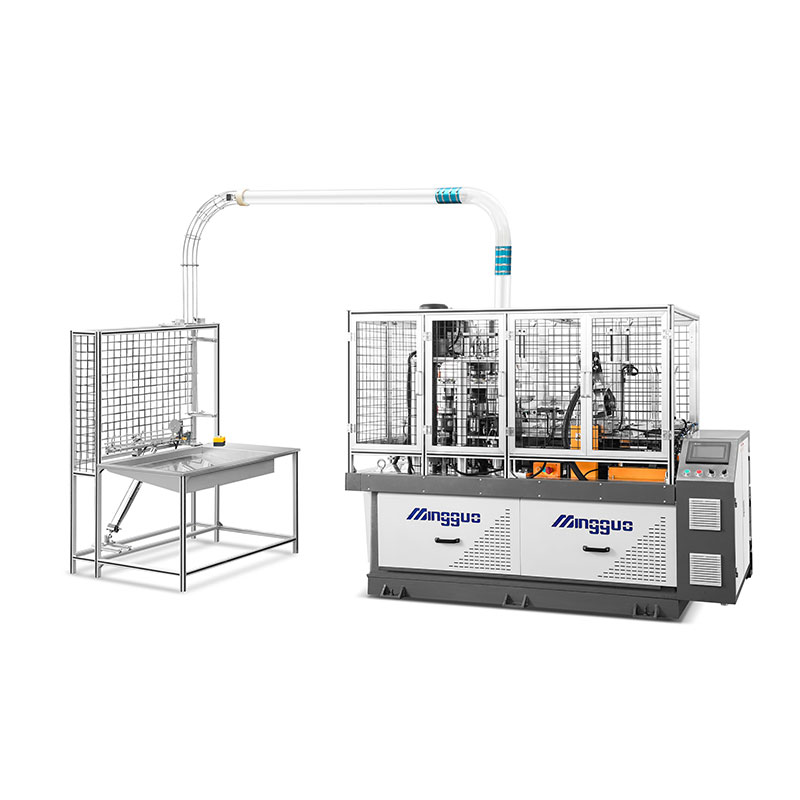
Paper cups specifications:
(100-350ml)(mold exchangeable)
Top: 55-90mm
Height: 60-110mm
Bottom: 40-65mm


